
What are the consequences of a hit-and-run of a parked car in Alberta? To many people, it’s a surprise to find out that a hit and run of a parked car isn’t treated much differently than if you’re involved in an accident with another moving vehicle. As a driver, you have responsibilities and need to leave at least a note with your contact information to avoid a ticket.
Here, we’ll look at what happens if you hit a car in a parking lot and leave in Alberta, and everything else you need to know about hit and run tickets.
Key Takeaways
- If you hit a parked car in Alberta, you are legally required to locate the other driver or leave a note with your name, contact information, driver’s license number, and license plate number
- Even if there is no visible damage, failing to leave a note can result in a hit and run charge under Section 69 of the Alberta Traffic Safety Act
- The two most common charges are Failure to Remain at the Scene of an Accident (7 demerit points, fines up to $2,000, possible prison time) and Failing to Report an Accident (3 demerit points, fines up to $2,000)
- Beyond fines and demerit points, a hit and run conviction can significantly raise your insurance premiums — sometimes for years
- It is always worth fighting a hit and run ticket, as the charges may be reduced or dismissed with the right legal representation
What Is a Hit and Run?
What’s important to understand about hit and runs in Alberta is the severity of the collision isn’t as important as whether the driver stopped, offered to provide help and provided the necessary information. Even if there’s no damage caused by a collision, you as a driver have legal obligations that are laid out in Section 69 of the Alberta Traffic Safety Act.
They include:
- Remaining at the scene of an accident or returning immediately
- Assisting where possible
- Providing your name, address, driver’s license, insurance document and the license plate of your vehicle
Those obligations are the same whether you’re driving on a highway or hit a parked car. The challenge with hitting a parked car is that it can be difficult to locate the vehicle’s driver, but you are legally required to look for them, and if you can’t find them, you need to leave a note with your name, contact information, the number of your driver’s license and your license plate.
If you hit a parked car and leave in Alberta without leaving a note containing that information, you will be charged with hit and run. The City of Calgary provides a handy collision checklist to help make sure you can provide the right information after a collision.
What are the Consequences of a Hit and Run?
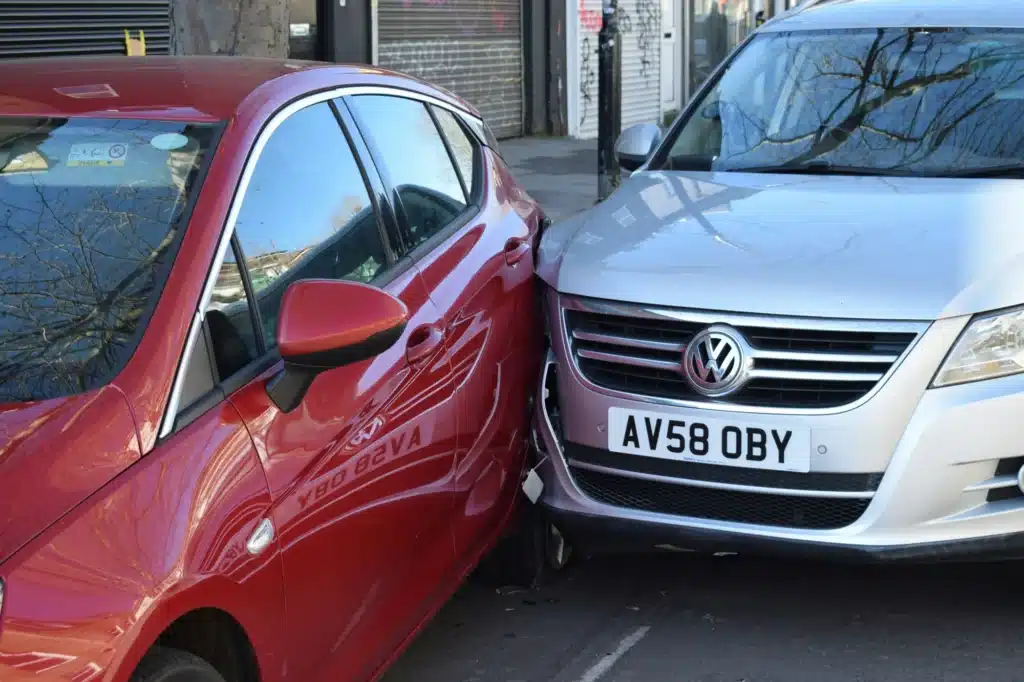
Getting charged with a hit and run for hitting a parked car in Alberta is serious. There are a few different charges that could come your way, the most notable being a Failure to Remain at the Scene of an Accident ticket. This comes with:
- A mandatory court appearance
- Seven demerit points
- Fines of up to $2,000
- Possible prison time
- An increase in insurance premiums.
A Failure to Remain at the Scene of an Accident ticket is the most serious offence in the Alberta Traffic Safety Act, and may not be applied if you tapped a parked car and didn’t leave a note. Technically, any collision between two cars qualifies as an accident, even if there’s no damage caused and could result in a Failure to Remain at the Scene of an Accident ticket. But for a hit and run of a parked car, it’s often more likely that you’ll be charged with Failing to Report an Accident.
These tickets are issued when there’s a collision that is not reported to the police. Not every minor accident requires reporting if information is exchanged, but any collision with damage exceeding $5,000 or injuries must be reported. If you don’t leave a note after a hit and run of a parked car in Alberta, you could also get a Failing to Report an Accident ticket.
Consequences include:
- 3 demerit points
- A fine up to $2,000
- Increases in insurance premiums
What to Do If You Hit a Parked Car?
When you hit a parked car, you may get out and check to see if there’s damage and decide that you don’t need to leave a note. This would still qualify as a hit and run of a parked car, though, so even if you don’t see a single scratch on the other vehicle, you should still leave a note with your contact information.
A witness may have a different interpretation of the incident and report you to the police or the owner, which could result in an expensive hit-and-run ticket. It’s always better to be safe than sorry and leave a note. Even if you wind up having to pay for minor damages, it’s a lot less expensive than what it will cost you in increased insurance premiums and fines.
What to Do If You’re Charged with a Hit and Run for Hitting a Parked Car
Getting a ticket for a hit and run of a parked car in Alberta is a big deal and can have expensive repercussions. It’s always worth fighting a hit-and-run ticket, especially if it’s for a hit-and-run in a parking lot or with a car that’s parked on the side of the road.
When you hire traffic court experts like our team at We Defend, we’ll review the specifics of your ticket and craft a compelling argument for why you shouldn’t be charged with a hit and run of a parked car. You may not have known that you made contact or may have had a viable reason for leaving the scene without leaving a note.
Fight Hit and Run Charges with We Defend

Getting charged with a hit and run of a parked car in Alberta is a stressful situation that comes with demerit points that can lead to a license suspension and serious financial consequences. Fighting your ticket with the team at We Defend gives you the best chance of getting the charges reduced or even dismissed entirely.
Contact us today for a free consultation.
FAQ
How are the penalties for hit-and-run determined?
Penalties depend on the extent of the damage caused and your driving history. Repeat offenders typically face harsher consequences, but even first-time offenders can see significant increases in their insurance premiums.
Will my license be suspended for a hit and run?
Not automatically, but hit and run charges can add up to 7 demerit points to your record, which stay on file for 2 years. Drivers with a full (non-GDL) license face suspension at 15 demerit points, so a single hit-and-run charge can put you dangerously close to that threshold.
What if I genuinely didn’t know I hit another car?
This is actually a valid legal defense. If you were unaware that contact was made—for example, in a busy parking lot—a traffic court professional can argue on your behalf that there was no intent to leave the scene. The outcome will depend on the specific circumstances and any available evidence.
Do I need to call the police if I hit a parked car?
Not always. In Alberta, you are generally required to report a collision to police if the damage exceeds $5,000 or if there are injuries. For minor incidents below that threshold, leaving a note with your contact information is typically sufficient—but failing to do even that can result in a ticket.
How much can a hit-and-run increase my insurance premiums?
There is no fixed amount, as it varies by insurer and your driving record. However, a hit and run conviction is considered a serious offense and can result in your premiums rising substantially—in some cases doubling—and the impact can last several years.
What evidence do police use to identify hit-and-run drivers?
Police may rely on witness statements, nearby security or traffic camera footage, paint transfer or debris left at the scene, and reports from the vehicle owner. Even in quiet parking lots, surveillance cameras are increasingly common, making it easier for authorities to identify drivers who leave without leaving a note.
Should I contact my insurance company even if I left a note?
Yes. It’s generally a good idea to notify your insurer after any collision, even a minor one. If the other driver files a claim, your insurer will need to be aware of the incident. Failing to report it proactively could complicate your claim later.